Serving Jackson, Ingham, and Central Michigan
Odor Removal & Mitigation
Find the source. Clean thoroughly. Let the condition of the property guide what happens next.
A persistent smell needs a game plan. SWAT Team of Michigan works through the odor, its likely source, and the affected surfaces, then progresses from cleaning to the mitigation the property actually needs.
Request an odor assessmentCallText(517) 787-2391On a phone, Call and Text open your calling or messaging app. On a computer, choose an app or browser option. You can also copy the number into an app of your choice.A progressive approach
Cleaning is both a first step and a way to learn
In most cases, odor mitigation begins with a thorough cleaning. During that work, we often discover where the strongest smells remain. Those findings help us narrow the source, investigate deeper, and make a better decision about the next stage.
01
Define the odor and its history
Tell us what you smell, when you notice it, which rooms are affected, and what has already been tried. Pet accidents, smoking, spills, stored belongings, and previous occupancy can give us a starting point. We distinguish what is known from what still needs investigation.
02
Locate likely sources and make a plan
We inspect accessible areas, compare where the odor is strongest, and look at the affected materials and their condition. The initial plan identifies what to clean, what needs closer inspection, and which areas may be concealed or inaccessible.
03
Start with thorough cleaning
In most odor projects, thorough cleaning is the first working stage. We remove accessible odor-producing residue and soil from the agreed surfaces. Cleaning also helps us learn: as general buildup is removed, persistent areas can become easier to isolate.
04
Reassess and investigate deeper
During and after cleaning, we note the strongest remaining smells and revisit those locations. We may need to inspect beneath an affected finish or around an adjoining material, with permission before opening or removing anything. We assess the likely contaminant, how far it has traveled, and whether the material can be retained.
05
Choose treatment, removal, or encapsulation
The next step follows the findings. Suitable surfaces may receive targeted treatment. Materials that cannot be adequately cleaned may need removal and replacement. In selected cases, an appropriate odor-blocking encapsulant may be part of the plan after cleaning and preparation. We explain the proposed scope and cost before additional work.
06
Review the result and the next step
We reassess after the agreed cleaning and treatment stages, allowing for drying where needed. If odor remains or returns, we revisit the source rather than assuming the project is finished. Hidden contamination, damaged materials, or an ongoing source can require another stage.
Cat urine & pet odors
Find where it went, then assess what can stay
With cat urine, the first question is where the contamination is located. A visible spot may be only part of the affected area. We look at nearby edges, seams, trim, and accessible adjoining surfaces, then discuss whether deeper inspection is needed.
A cleanable hard surface may be suitable for treatment. A damaged or absorbent material may hold contamination below the surface, making removal and replacement the more practical option. Different parts of the same room can need different approaches.
What changes the plan?
- The material: intact finished surfaces, porous wood, concrete, carpet padding, and drywall do not respond the same way.
- The condition: worn finishes, open seams, swelling, or deterioration can change what can be cleaned or retained.
- The extent: a recent isolated accident and repeated saturation require different scopes.
- The depth: contamination below flooring or behind trim may need access beyond surface cleaning.
Carpet and upholstery cleaning are not offered by SWAT. If those materials are involved, we discuss removal or a separate specialist as appropriate. Any removal, replacement, or repair is agreed before that work begins.
Urine, feces, and extreme-condition cleanupSmoke residue on interior surfaces
Cigarette smoke starts with the residue it leaves behind
Cigarette smoke and nicotine residue can affect interior walls, ceilings, trim, cabinets, and other surfaces. The plan starts with assessing and cleaning the accumulated residue from suitable surfaces, including the interior walls, rather than relying on a fragrance to cover the smell.
We reassess after cleaning to see whether odor remains in other materials or locations. Surface condition and the extent of exposure determine whether further treatment, material removal, or an appropriate sealer needs to be considered.
Tobacco smoke & nicotine mitigation details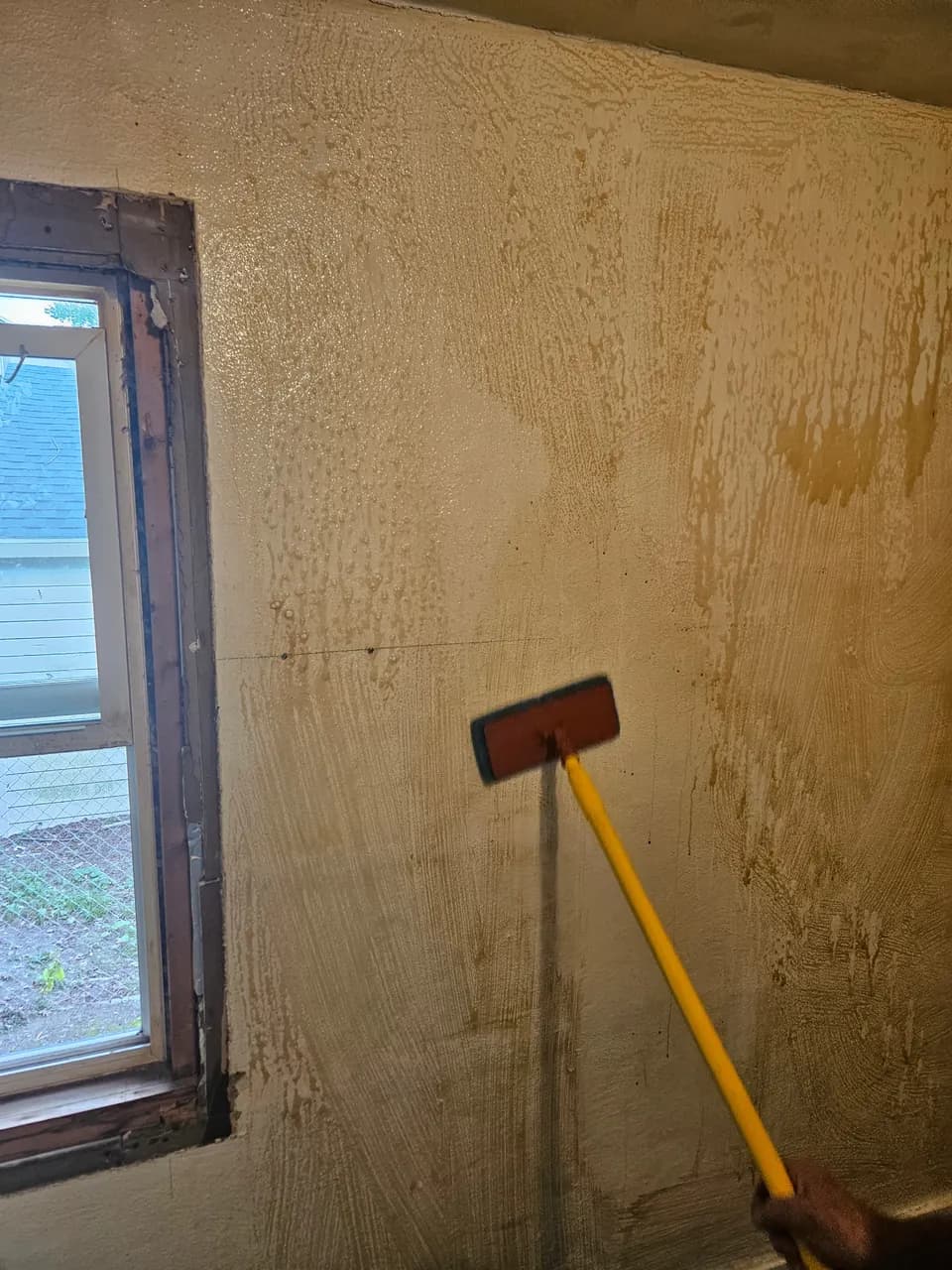
After cleaning and reassessment
Three possible next steps
Targeted treatment
For a material that can be retained, we select a treatment suited to the contaminant, finish, and condition. The method and any equipment are determined for the project, then the result is reassessed.
Material removal
When contamination is too deep or the material cannot be adequately cleaned, removal may be necessary. We explain the affected area and discuss disposal, replacement, and any separate repair work before proceeding.
Encapsulation
In selected cases, an appropriate odor-blocking coating can help isolate residual odor in a material that is suitable to remain. Cleaning, drying, surface preparation, and product compatibility come first; sealing over an unresolved source is not a universal fix.
One property may need a combination of these steps. If the source is still active, that cause also needs correction so new contamination does not undo the work.
Other persistent odors
Describe the problem, even if you cannot name it
Food residue, spills, waste, neglected spaces, and odor left by a previous occupant can all prompt an assessment. Tell us if the smell changes with humidity, returns after cleaning, or seems concentrated in a cabinet, room, or section of flooring. We use those observations to plan the investigation.
If the findings point to a moisture, plumbing, pest, or other building problem, we explain what requires separate attention before further odor work makes sense.
Plan before the crew arrives
Tell us about odors when you request service
Odor work may require equipment and preparation beyond a standard cleaning visit. Share the suspected source, affected rooms and materials, previous treatments, whether the property is occupied, and whether water and utilities are available.
We discuss the initial cleaning scope, likely next stages, and charges. Hidden conditions can change the plan, so additional treatment, removal, encapsulation, and repair work are addressed separately when needed.
Pricing and project expectationsClear answers
Questions about odor removal
Can you help when I do not know where the smell is coming from?
Yes. Describe where and when you notice it and any relevant property history. We start with accessible areas and an initial cleaning or assessment plan. The source may become clearer as work progresses; smell alone does not conclusively identify a contaminant.
Will cleaning alone remove cat urine odor?
Sometimes cleaning and suitable treatment are enough, but urine that has penetrated porous materials or layers below a floor may require removal or other work. We assess the affected surface, its condition, and the depth of contamination before deciding.
Can you just seal or paint over the odor?
Encapsulation is an option for selected materials and conditions after cleaning, drying, and preparation. It is not the first step for every odor and does not replace removing material that cannot be retained. Ordinary paint should not be assumed to solve the source.
Is odor removal included in a standard deep clean?
A deep clean can be the starting point, but targeted odor treatment, specialized equipment, removal, encapsulation, and repairs may be separately scoped and priced. Tell the office about odor concerns before the visit so the crew and equipment can be planned.
Can you guarantee the odor will be completely gone?
Results depend on the source, how deeply contamination has penetrated, access, and the condition of the materials. Some projects need more than one stage. We explain the likely limits and next steps rather than promising complete removal before assessment.
Where do you provide odor-removal services?
We serve Jackson, Ingham, and Central Michigan, including Lansing, East Lansing, Mason, Holt, Okemos, and nearby communities. The office confirms the address, scope, and availability for each project.
Start with the source
Tell us what you are smelling
Serving Jackson, Ingham, and Central Michigan. Include your location, where the odor is strongest, and what you know about its history. The office will review the scope and availability with you.
CallText(517) 787-2391On a phone, Call and Text open your calling or messaging app. On a computer, choose an app or browser option. You can also copy the number into an app of your choice.Get the app
SWAT Network in your pocket.
Request services, follow job updates, and manage your SWAT Network membership from your phone. Keep your home-service plans close at hand.
Explore https://swat.networkHow SWAT Network fits your home or business: explore home-care coordination, provider applications and house-manager opportunities.
Free to download. Service and membership charges may apply.
Prefer to call? Reach SWAT Team of Michigan at (517) 787-2391. Membership is not required to arrange services directly with our office.
CallText(517) 787-2391On a phone, Call and Text open your calling or messaging app. On a computer, choose an app or browser option. You can also copy the number into an app of your choice.