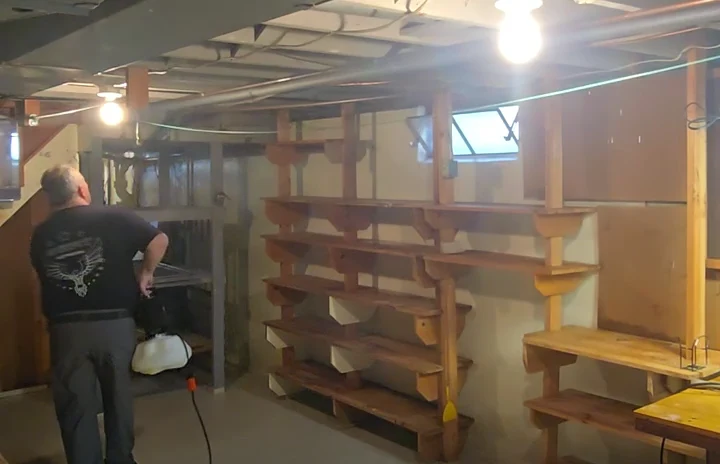
A daughter hired us for a move-in clean for her mom in Jackson. In the basement, we found signs of rodent activity. The reel shows the last step of that job. The work that mattered most happened before the camera caught the fog.
By Matthew Castle, owner of SWAT Team of Michigan
Start Where the Smell Is Strongest
If you called me about an odor at the foot of your basement stairs, the first thing I’d want to know is where it gets stronger. Is it at the bottom step, around the shelving, or near a stack of boxes? That detail tells us where to look before we decide which equipment to bring.
A cardboard box that has absorbed urine can keep giving off an odor even after the concrete underneath it has been cleaned. Smoke residue on a shelf needs attention on the shelf itself. A musty smell that returns after every rain calls for a look at where water is getting in. A fogger can’t carry out a soiled box, wipe down a shelf or stop a leak.
Where Fogging Fits Into Odor Control
Once we’ve addressed the source and cleaned the affected materials, some jobs still have a lingering odor. That’s when we assess whether a fogging product labeled for that use makes sense as part of our odor-removal service. We look at what the room contains and explain when people and pets can return under the product’s directions.
On the Jackson job, the finishing pass helped the customer feel more comfortable with the basement. That matters when you’re helping a parent move into a home. It’s also a different question from whether the surfaces that had rodent contamination received the treatment they needed.
What Disinfection Requires
A fogger disperses a product. For surface disinfection, the product must be appropriate for the surface and the intended use, and the surface must stay wet for the contact time on the label. Watching mist move past a shelf tells you none of that about the shelf, much less the floor beneath it.
EPA recommends using a disinfectant in a fogger only when the label specifically provides directions for that method. For the distinction between the equipment and the treatment, see EPA’s guidance on fogging and its guide to disinfectant contact time.
What to Do if You Find Rodent Droppings
Leave the broom and vacuum where they are. Dry sweeping or vacuuming can put contaminated particles into the air. Keep people and pets away from the area while you arrange cleanup. CDC’s rodent cleanup guidance explains how droppings and affected surfaces should be handled, including the extra precautions for heavy infestations.
If you’re arranging basement cleaning in Jackson or Ingham County, tell us where you noticed the odor, what materials are affected and whether you’re still seeing fresh signs of rodents. If you find fresh droppings after cleanup, pest control also needs to address how rodents are getting in. Those details help us estimate the work you actually need.
Facing something like this? Request a free estimate or call or text (517) 787-2391. Related: Odor Removal in Jackson and Ingham Counties.
CallText